Marine Mammal & Sea Turtle Week (Part 3 of a 5-part Series)

With Memorial Day Weekend upon us, summer is unofficially here for New Jerseyans. That means plenty of tourists enjoying shore, sand, surf, and sun – but it also means other types of annual summer visitors to our coast: bottlenose dolphins, sea turtles, and whales. However, what may be inspiring sightings from a healthy distance can become tragic encounters when marine animals become stranded or entangled in nets.

This story marks the third of five blog stories spotlighting New Jersey’s marine mammals and sea turtles – and educating people how to help animals in need, rather than make a bad situation worse.

Part 1, on Monday, revealed the bottlenose dolphin die-off striking the Eastern Seaboard. Part 2, yesterday, featured a Question-and-Answer on the dolphin mortality event with NOAA’s Mendy Garron. Part 4, tomorrow, will investigate the fascinating condition of cold-stunned sea turtles. And Part 5, on Friday, will reveal the importance of reporting sightings – both for live or dead marine mammals.


MARINE MAMMAL & SEA TURTLE WEEK: Encounter a stranded marine mammal? Here’s how to help (Hint: Don’t try to be a hero!)

By Jennifer Dexter, Conservation Intern

Last year, over 150 marine mammal strandings occurred in New Jersey, ranging from humpback whales to harbor seals.

In order to better prepare first responders and the general public for such incidents, Conserve Wildlife Foundation of NJ hosted the NJ Marine Mammal Stranding Workshop. For me, the biggest take home message I retained from attending this workshop was a clear one: “Don’t be the hero!”

Keeping people and their pets away from stranded marine mammals is for their safety as well as the animal's. Photo by Mike Davenport.
Keeping people and their pets away from stranded marine mammals is for their safety as well as the animal’s. Photo by Mike Davenport.

Everyone has good intentions when they attempt to ”rescue” a marine mammal stranded on the beach, but often you may be doing more harm than good. Usually, there is a good reason why the animal washed ashore, whether it be injuries or illness at fault. If you simply return the animal to the ocean, it’s likely that they will just become stranded again.

The same goes for animals in danger at sea, such as a turtle entangled in fishing nets. DO NOT go all gung-ho by jumping in the water in attempt to cut the turtle free, as you are putting the animal and yourself in danger.

Close human interaction will put the already stressed animal in defense mode. Sea turtles, such as the leatherback, can weigh more than 1,000 pounds and one thrash of their flipper can leave a human severely injured. In addition, a human can just as easily become entangled in the netting so it’s best to remain on your boat, safe out of harm’s way.

The best and most helpful thing a witness can do in New Jersey is to immediately call the Brigantine Marine Mammal Stranding Center (609-266-0538) and provide the following information: description of the animal, photograph from a distance, location, and description of any injuries.

Most importantly, do not touch, feed, pour water on, or cover the animal. Stand by until a MMSC staff member or local police is dispatched. From that point on, it will be up to the MMSC and the authorities to assess what measures need to be taken based on the animal’s needs. You can walk away knowing you did the right thing – and helped the animal as much as you could.


Marine Mammal & Sea Turtle Week (Part 2 of a 5-part Series)

With Memorial Day Weekend upon us, summer is unofficially here for New Jerseyans. That means plenty of tourists enjoying shore, sand, surf, and sun – but it also means other types of annual summer visitors to our coast: bottlenose dolphins, sea turtles, and whales. However, what may be inspiring sightings from a healthy distance can become tragic encounters when marine animals become stranded or entangled in nets.

This story marks the second of five blog stories spotlighting New Jersey’s marine mammals and sea turtles – and educating people how to help animals in need, rather than make a bad situation worse.

Part 1 yesterday revealed the bottlenose dolphin die-off striking the Eastern Seaboard. Part 3, on Wednesday, will look at how people can safely help stranded wildlife. Part 4, on Thursday, will investigate the fascinating condition of cold-stunned sea turtles. And Part 5, on Friday, will reveal the importance of reporting sightings – both for live or dead marine mammals.


MARINE MAMMAL & SEA TURTLE WEEK: Ask the Experts – NOAA’s Mendy Garron sheds light on bottlenose dolphin die-off

By Stephanie Feigin, Program Coordinator

The National Oceanic and Atmospheric Association (NOAA) declared an unusual Mortality Event (UME) in early July 2013 for bottlenose dolphins along the Atlantic Coast. There have been an elevated number of strandings in New York, New Jersey, Delaware, Maryland, Virginia, North Carolina, South Carolina, Georgia and Florida. These strandings have ranged from a few live animals to mostly dead animals and many very decomposed. These dolphins usually show lesions on their mouth, skin, joints or lungs.

Bottlenose dolphin. Photo by Cordell Brown.

In New Jersey, there have been 135 documented strandings from July 1, 2013 – April 20, 2014. Research attributes this UME to cetacean morbillivirus, a naturally occurring virus in marine mammal populations. It suppresses the immune system and affects the brain and lungs, and causes the death of the animal from other secondary infections. This virus has now affected about 50% of the coastal migratory bottlenose dolphin stock leading to the classification of “Depleted” for this stock under the Marine Mammal Protection Act. I spoke with Mendy Garron, the Marine Mammal Response Coordinator for NOAA Fisheries, about this dolphin die-off.

CWF: What is the unusual mortality event that is occurring for bottlenose dolphins?
MendyGarron, NOAA: In July 2013, NOAA’s Marine Mammal Stranding Network partners documented an increase in bottlenose dolphin strandings occurring in the Mid-Atlantic region (New York through Virginia). Since that time, bottlenose dolphin strandings have remained elevated.

CWF: How widespread is this event? And how is it affecting the New Jersey population of bottlenose dolphins?
MendyGarron, NOAA: The increase in bottlenose dolphin stranding events has extended down through Florida. Coastal migratory bottlenose dolphins migrate south during the winter months and are located off the coast of NC, SC, GA and FL during the winter. In late spring and early summer, the dolphins will migrate back up north and be found in coastal waters of mid-Atlantic states (NY through NC).
Research efforts are underway to understand the impacts the die-off will have on the coastal bottlenose dolphin population, including those that are found in New Jersey waters.

CWF: What are the results, so far, of your investigation into this UME?
MendyGarron, NOAA: This Unusual Mortality Event (UME) has been attributed to an outbreak of cetacean morbillivirus. More information on morbillivirus can be found on the following website:
http://www.nmfs.noaa.gov/pr/health/mmume/midatldolphins2013.html
Morbillivirus is highly contagious among animals in an infected population. The virus spreads through inhalation of respiratory particles or direct contact between animals. Animals can also be exposed to the virus through other entryways such as the eyes, mouth, stomach, skin wounds, and urogenital tract. Secondary or co-infections caused by fungus, bacteria, parasites and protozoa have also been documented in some animals.

CWF: How can we help protect the New Jersey population?
MendyGarron, NOAA: Bottlenose dolphins are faced with many negative impacts in their daily lives including, but not limited to: fishery interactions, boat strikes, and contamination. There are many things that can be done to help protect these animals. Here is a link to the NOAA Fisheries Service regional website that houses information on responsible wildlife viewing practices for dolphins, as well as guidance for recreational fishermen and boaters: http://www.nero.noaa.gov/Protected/mmp/
An informational video can also be found at: http://www.dontfeedwilddolphins.org/

Marine Mammal & Sea Turtle Week (Part 1 of a 5-part series)

With Memorial Day Weekend upon us, summer is unofficially here for New Jerseyans. That means plenty of tourists enjoying shore, sand, surf, and sun – but it also means other types of annual summer visitors to our coast: bottlenose dolphins, sea turtles, and whales. However, what may be inspiring sightings from a healthy distance can become tragic encounters when marine animals become stranded or entangled in nets.

This story marks the first of five blog stories spotlighting New Jersey’s marine mammals and sea turtles – and educating people how to help animals in need, rather than make a bad situation worse.

Part 2, on Tuesday, will feature a Question-and-Answer on the dolphin mortality event with NOAA’s Mendy Garron. Part 3, on Wednesday, will look at how people can safely help stranded wildlife. Part 4, on Thursday, will investigate the fascinating condition of cold-stunned sea turtles. And Part 5, on Friday, will reveal the importance of reporting sightings – both for live or dead marine mammals.


MARINE MAMMAL & SEA TURTLE WEEK: Dolphin die-off kills over 1,000 bottlenose dolphins along Atlantic coast

By David Wheeler, Executive Director of Conserve Wildlife Foundation of New Jersey

At least 136 bottlenose dolphins became stranded in New Jersey over the past year. Most of the strandings were fatal, and many dolphins showed lesions and other infections. Over 1,200 dolphins have stranded along the entire Eastern seaboard – a situation bleak enough that the National Oceanic and Atmospheric Association (NOAA) declared an Unusual Mortality Event.

Bottlenose dolphin. Photo by Cordell K. Brown.
Bottlenose dolphin. Photo by Cordell Brown.

The cause is Cetacean morbillivirus. About half of coastal migratory bottlenose dolphins are affected, leading to this stock’s federal classification as ‘Depleted’ under the Marine Mammal Protection Act. Bottlenose dolphins were already considered species of special concern in New Jersey, and this only further threatens their population.

In stark contrast with the 136 dolphins stranded in New Jersey since last July 1, the average number of strandings in the state for a given year is 10.

The last major morbillivirus mortality event among bottlenose dolphins occurred in 1987-88, which ultimately helped lead the U.S. Congress to establish the Marine Mammal Health and Stranding Response Program.

The dolphin virus was among the issues discussed atConserve Wildlife Foundation’s inaugural marine mammal stranding workshops last month at Monmouth University and Richard Stockton College.

Speakers at our recent stranding response workshops led interactive discussions to educate first responders on how to handle marine mammal and sea turtle strandings. Jen Zebrowski from Jenkinson’s Aquarium educated responders on how to identify some 13 species of marine mammals and 5 sea turtles they might encounter on the New Jersey coast. Mendy Garron, Kate Sampson and Scott Doyle from NOAA explained what a responder should do once they encounter the animal, how to make the situation safe, and the legal obligations facing first responders with a stranding.

Now we enter this summer hoping that cetacean morbillivirus will not claim nearly as many dolphins this year. Keep your fingers crossed!

Jen Zebrowski from Jenkinson’s Aquarium providing an overview of NJ's marine mammal & sea turtle species at CWF's recent stranding response workshop at Stockton College. Photo by Stephanie Feigin.
Jen Zebrowski from Jenkinson’s Aquarium providing an overview of NJ’s marine mammal & sea turtle species at CWF’s recent stranding response workshop at Stockton College. Photo by Stephanie Feigin.

Helpful Links:

Bottlenose Dolphin Field Guide

NOAA Unusual Mortality Event page for Bottlenose Dolphin Morbillivirus

NOAA Marine Mammal Stranding page

Marine Mammal Stranding Center, Brigantine, New Jersey

Jenkinson’s Aquarium

Photos from the field

Shorebirds and Horseshoe crabs have arrived on the Delaware Bay.

by: Larissa Smith, Wildlife Biologist/ Volunteer Manager

Now is a great time to get out to the Delaware Bay beaches and see the shorebirds. Learn more about the shorebird project and the best spots for viewing  the birds and crabs.

On Monday May 19th CWF volunteer Tom McKelvey took photos of the shorebird project research team banding sanderlings.

IMG_6847EDIMG_6928EDIMG_6893EDIMG_6982ED

IMG_6916EDIMG_7040EDIMG_7262ED-001IMG_7270ED


Donations needed for Falcon Project!

New cart needed to carry remote, motion activated camera to nests

by Ben Wurst, Habitat Program Manager

Each spring we work with NJ Fish & Wildlife Biologists to deploy a remote, motion activated camera at coastal peregrine falcon nests. The camera is set at the entrance to nestboxes or Dog Igloos to capture video of the adults as they enter and exit the nestbox when they are incubating eggs. As the pair exchanges incubation duties they go in and out, past the small camera. Most adults where leg bands (that they were given before fledging): one USGS band (silver or black:NJ, and one auxiliary color band with an alpha/numeric code). The data that’s collected helps biologist to keep track of the population and also allows us to find out the age of adults, their origin, nest site fidelity, and turnover rates.

To carry this wonderful camera to nest sites we use a small cart (made by Wheeleez, Inc.) transport it over the saltmarsh environment. Why is the Wheeleez cart important? Well, the cart has huge tires with low ground pressure. This helps us to leave a small footprint on our coastal saltmarshes. It glides easily over spartina covered marshes and fits perfectly over extension ladders that we use to cross small ditches on our way out to falcons nests that are on old hacking towers. There are around 10 towers where we deploy this camera and the cart is crucial to this project!

The current cart is over 10 years old and is falling apart. It’s wheels fall off and now it’s being held together with cable ties… We could carry it by hand, but there’s a heavy battery inside the Pelican Case that houses the camera system. We also carry a 16 or 20′ ladder to access nests, which are on 30-40′ towers. Carrying both by oneself would be extremely difficult, especially considering we sometimes walk long distances to a nest (and often cross many ditches). We’re asking for your support to help us purchase a new cart. We need to raise $300 within the next 14-21 days.


Battle of the Bags!!

by Ben Wurst, Habitat Program Manager

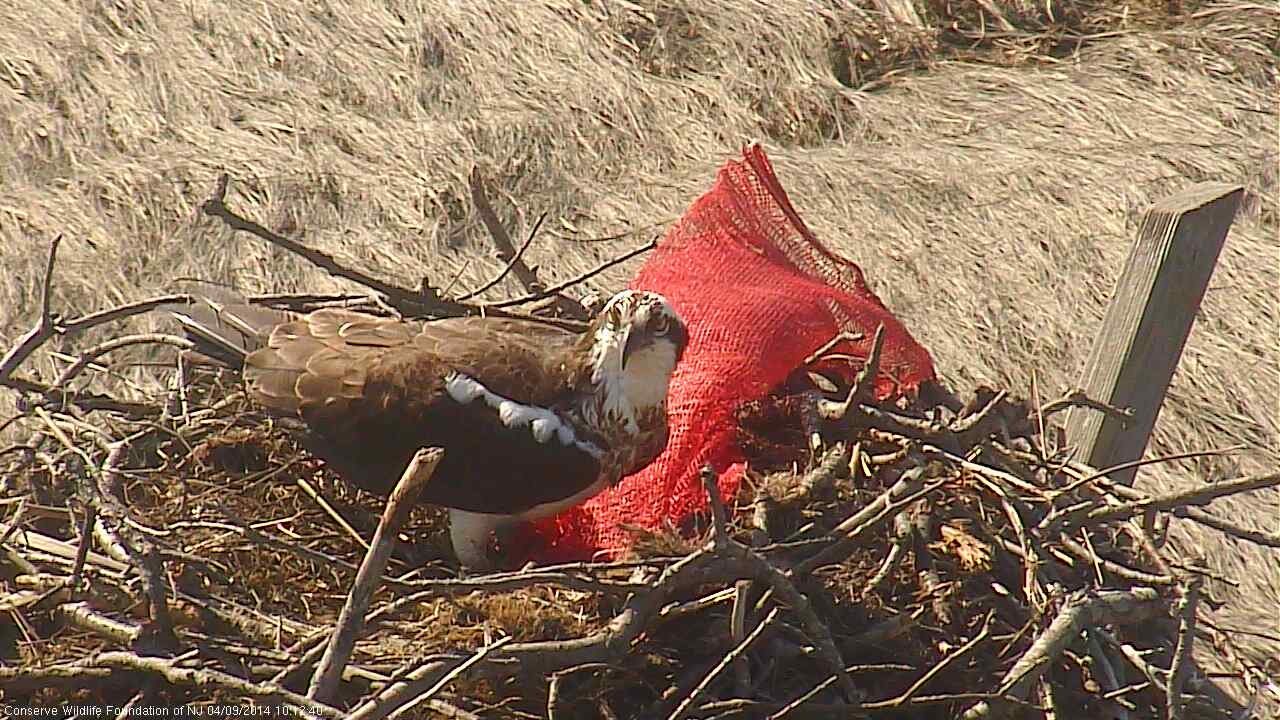
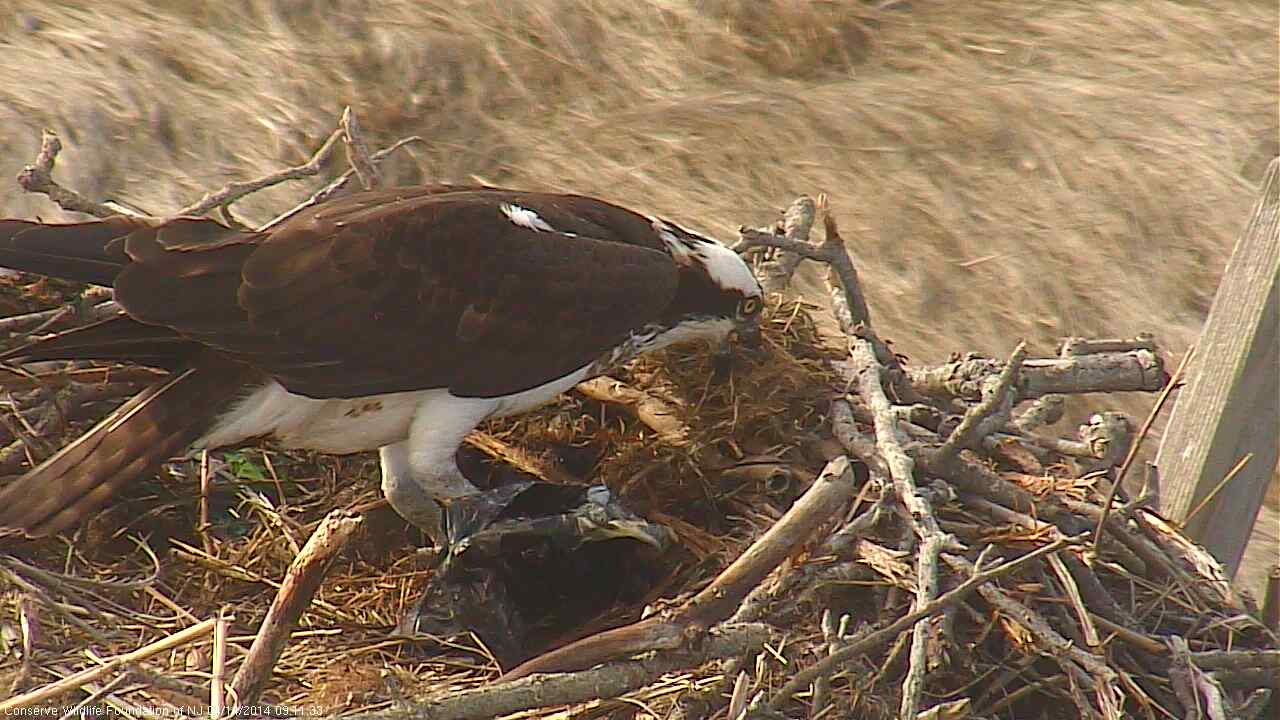
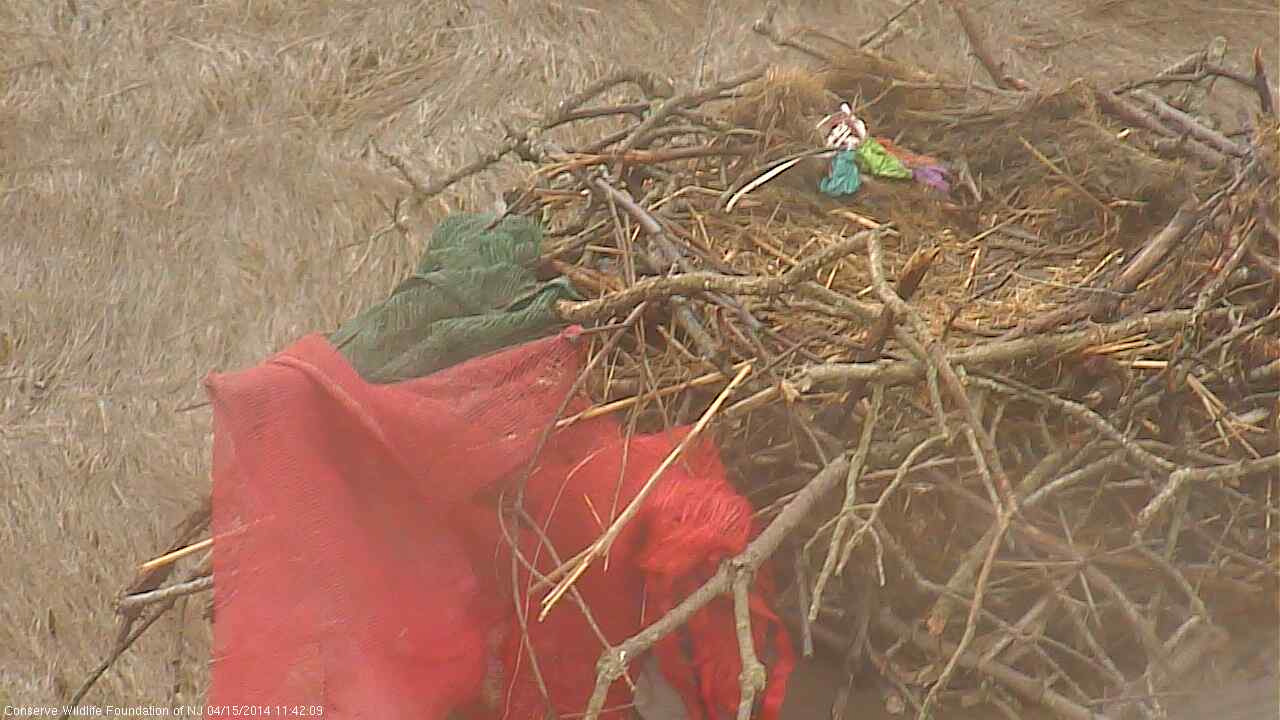
The osprey pair at our Osprey Cam nest has been “decorating” their nest with plastic marine debris. They’re turning out to be hoarders of plastic mesh bags. So far they’ve collected three to use as nesting material. How will this play out? We can’t say for sure but are closely monitoring with the Osprey Cam.

Plastic mesh clam bag in the nest.
The ospreys returned and so did the marine debris.
Yay! Some natural nesting material!!
Too many plastic mesh bags!!
They're slowly migrating out of the nest...
They’re slowly migrating out of the nest…

Plush birds help real birds in New Jersey!

Ever see an adorable bird in the wild and wanted to take it home with you?

by Ben Wurst, Habitat Program Manager

A Stuffed Owl hunts a desolate beach.
Well now you can!

I feel lucky to have had the chance to see a snowy owl on one of New Jersey’s beaches! It was certainly a once in a lifetime experience! Snowy owls are such an intriguing species that we know so little about. Hopefully scientists will learn more about them by studying their movements during this irruption to protect critical habitat for them, like some of the beaches and other habitat types that they overwintered on here in New Jersey.

Since we all LOVE the snowy owls so much, you can now purchase your very own memento of the irruption this winter! The plush snowy owl that you see above was made right here in the US; designed by talented artists and made by hand by craftsmen and women in Upperstate New York. 20% of the sales of these plush birds goes to Conserve Wildlife Foundation of New Jersey to protect REAL birds.

More plush birds are on the way, like ospreys, piping plovers, oystercatchers, and peregrine falcons!

I for one cannot wait to get my hands on a plush osprey!! 🙂

Osprey nest needs urgent repairs

A productive nest on the Navesink River needs a helping hand!

by Ben Wurst, Habitat Program Manager

UPDATE: We have learned that the pole has been straightened!! Thank you all for the support!!!

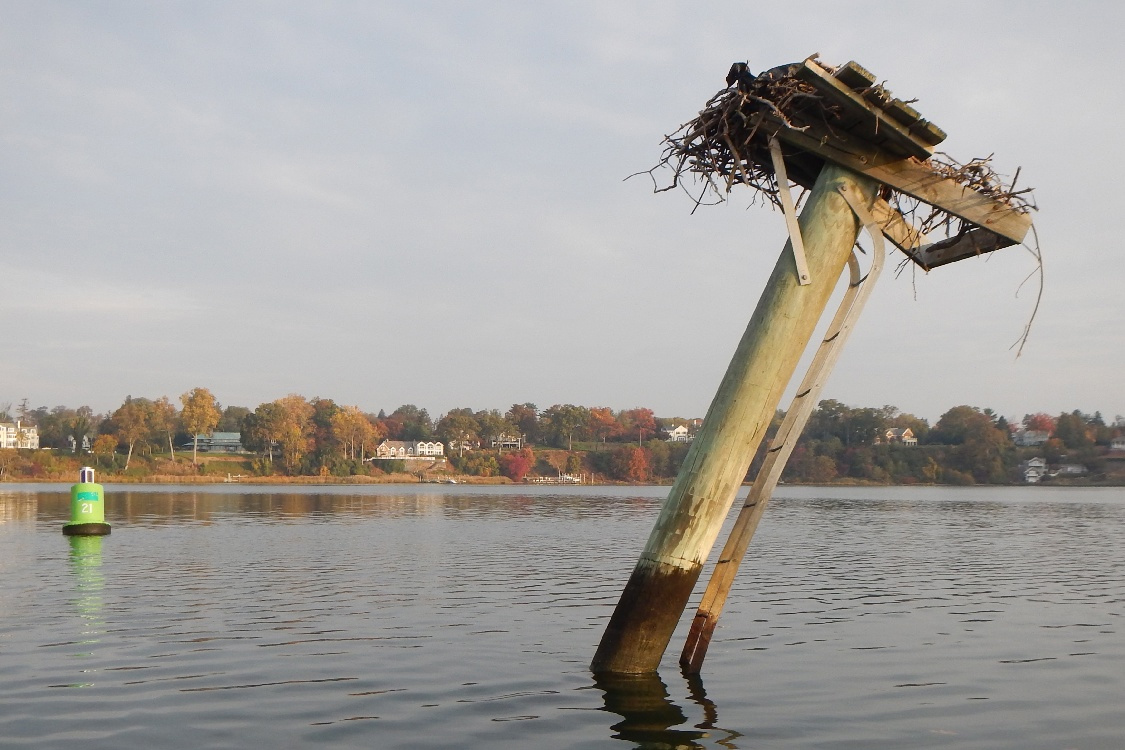
Many North American ospreys have already departed from their wintering grounds in Central America, N. South America, and the Caribbean and are on migration to their summer breeding grounds. In New Jersey, most ospreys nest along the Atlantic Coast, from Sandy Hook to Cape May and arrive in mid-late March. One nest (083-A-007) is on a decommissioned channel marker (#21) on the Navesink River, off Fair Haven. The nest was first found in 2006 and in 2013 the nesting pair successfully produced three young. Considering the current condition of the nest pole, they were really lucky to produce any young at all!

083-A-007 on the Navesink needs some TLC!

This platform was one of many that sustained damage by Superstorm Sandy. We pledged to repair any and all platforms that were reported as damaged by the Storm and did; however, we don’t have the equipment or boats to repair a leaning platform in open water, like 083-A-007. Since it was damaged we have been contacted by many concerned citizens who watch the pair that nests here. We’re sharing this story to help garner support to repair the nest pole.

Ospreys mate for life and return to the same nest site, year after year.  They will build their nest at an angle to compensate for the lean, but young are still in jeopardy of falling out of it. Our goal is to get it fixed before the pole falls over. Lastly, this is an important nest site in the region. There is very little preserved open space in this region of Monmouth County and very few osprey nests.

We need your help!

Ospreys return to their nesting grounds in mid-late March in New Jersey. © Howie Williams

Last year we tried reaching out to local marine construction and bulkheading companies but had no luck getting anyone to even return our calls. Then we contacted the Bureau of Coastal Engineering’s Aids to Navigation and they did not have equipment in the area to make the needed repairs last fall (we’ve since called them again to get their assistance and are waiting to hear back).

Do you know any local bulkheading or marine construction companies who work in the Fair Haven/Rumson area? If you do, please see if they can provide some assistance so this pair of ospreys have a safe place to nest!

Contact us if you know anyone who can help:

Photo from the field

Volunteers provide safe nest site for ospreys

by Ben Wurst, Habitat Program Manager

Volunteers who helped to install the first platform for ospreys in 2014! © Ben Wurst

Today nine volunteers assisted with the installation of this nesting platform inside Great Bay Blvd. Wildlife Management Area. The platform was built during last year’s Sandy relief effort and was several “extra” platforms that were built using donated materials. It’s being used to replace an existing nest that is too close to disturbance and prone to predation. The new platform is far from disturbance, gives them protection from predators, but is close enough to the road for wildlife photographers and birders to observe them at a safe distance. You can report nesting activity for this new nest platform on Osprey Watch.

Terrapins and tires don’t mix!

Get college credit and help protect terrapins!

by Ben Wurst, Habitat Program Manager

Female terrapin on Great Bay Blvd. © Ben Wurst

Since 2010, Conserve Wildlife Foundation (CWF) has been engaged in the conservation of northern diamondback terrapins (Malaclemys terrapin terrapin) in the Little Egg Harbor area. This year, CWF seeks to continue to protect terrapins through additional conservation and education initiatives that include the installation and maintenance of barrier fencing, road patrols on Great Bay Blvd., and the continuation of this student internship. This year we are attempting to replicate a study conducted in 2004 on the same road, and results will help us to better determine how effective our conservation measures have been.

Interns will conduct field work in the lower Barnegat Bay watershed including hourly road patrols on Great Bay Blvd., volunteer steward scheduling and management, educational related activities, and the best part – save hundreds of female terrapins from becoming road kill!

Currently this is a volunteer student internship, but there is an opportunity for this to be a paid internship through the Barnegat Bay Student Grant Program. Willing students must develop a scientific research project to qualify for the grant. The deadline to apply is April 4th.